
- News
- India News
- Tolerance-intolerance debate: Here are some instances of acceptance throughout India
Trending
This story is from December 27, 2015
Tolerance-intolerance debate: Here are some instances of acceptance throughout India
There seems to be a general impatience for anything we cannot agree with. Movies, books, satire, an alternative sexual identity or different political views.
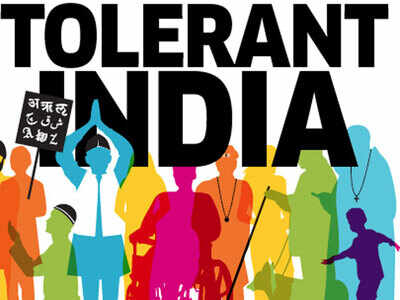
There seems to be a general impatience for anything we cannot agree with. Movies, books, satire, an alternative sexual identity or different political views.

The tolerance-intolerance debate in India has often trudged such depths, with multiple protests, some of them against protestors of a different hue. Not everything is about religion either. There seems to be a general impatience for anything we cannot agree with. Movies, books, satire, an alternative sexual identity or different political views — anything can lead to violent protests and demand for a ban or a boycott (even jail, if you lampoon or question some chief ministers). Take for example the India-South Africa cricket one-day match in Cuttack on October 5. As it became clear that India was headed for a disagreeable loss, spectators started hurling bottles onto the ground.
The Cuttack match had happened within a week of a gruesome murder that defined this debate: the Dadri lynching incident. On September 28, 50-year-old Mohammad Akhlaq was lynched at Bisada village, in Uttar Pradesh, after it was alleged that he had killed a cow and stored beef in his house. This was the other end of the spectrum in the intolerance debate, with a tragic and gory outcome. The Dadri incident dominated the discourse for the next month and a half as the nation focused on the assembly elections in Bihar, and the politicians latched on. The chaotic and hyperbolic discourse around the subject led nowhere. Even after President Pranab Mukherjee and prime minister Narendra Modi spoke about it, the atmosphere refused to improve. And it carries on, waiting for its next flashpoint.
There was one unitary strain in the debate that got lost in the din. While one side claimed intolerance has increased, the other said India was perfectly tolerant and the intolerance brigade’s problem was in their political views. In effect, both meant that through history India has been a land of tolerance or rather a land of acceptance and assimilation. Truth always has shades of grey in it. ET Magazine decided to seek out this strain of the debate and test it further. We sought out instances of tolerance and acceptance throughout India, where people have reached out across various lines of acrimony. Here we present (10) stories that talk about acceptance and assimilation of the other, stories of how people participate in each other’s religions, of how powerful people tolerate being made fun of and how Indians learn to co-exist with hitherto unknown ideas of transsexuality and same-sex orientations. Also, at the end you will find an interview with Sartaj Akhlaq, elder son of Mohammad Akhlaq and find out how he and his family is trying to make peace with the tragedy.
End of Article
FOLLOW US ON SOCIAL MEDIA







Photostories

Hot Picks
TOP TRENDING
Popular Categories
Hot on the Web
Top Trends
AUS vs SA Live ScoreRohit SharmaLiam PayneUGC Net June ResultSL vs WI Live ScoreIND vs NZ HighlightsUGC NET ResultInfosys Q2 ResultHaryana Cabinet Ministers ListJustin TrudeauFlights Bomb ThreatJharkhand Election ScheduleMaharashtra Election 2024US Presidential Election 2024Maharashtra Election ScheduleJharkhand Election ScheduleLive Cricket Score
Trending Topics
Diwali WishesDhanteras 2024Fake PaneerLiam PayneVettaiyan CollectionVicky Vidya Ka Woh Wala Video CollectionLawrence BishnoiJigra OTT ReleaseCow GheeBigg Boss 18Salman KhanShraddha KapoorRenukaswamys WifeSharad Purnima Moonrise TimeSwatantrya Veer SavarkarSharad Purnima 2024Top Load Washing MachinesBest Premium LaptopsIntel LayoffsWordle Answer
Living and entertainment
Latest News
Drake's pigtails spark an online debate; netizens are divided over bold fashion move and midlife crisisInjury scare for Team India as Rishabh Pant hobbles off the fieldHappy Dhanteras 2023: Images, Quotes, Wishes, Messages, Cards, Greetings, Pictures and GIFsBigg Boss Tamil 8 Preview: Emotional turmoil as housemates tease Dharsha Gupta over her cookingCitizenship under Assam accord: 4:1 SC verdict upholds validity of Section 6A; dissenting judge says provision 'has become more prone to abuse'Kartik Maas 2024 Start and End Date: Time, Puja Rituals and SignificanceStudent kills self in Kota, 15th this yr'Love Rohit Sharma's honesty': Sanjay Manjrekar calls India captain 'top man''Secret service needs reform': Independent probe panel on Trump's assassinationBreast cancer fighter Hina Khan shares a video of people who have inspired her during her journey; watchWWE Superstar Seth Rollins confirms date and occasion for in-ring returnAt 25,007 weekly departures, 5% more domestic flights this winter: DGCAUGC NET Result 2024 OUT: Direct link to check subject/category wise cut-offSolo, but never alone! Embrace Abu Dhabi’s unique experiences for independent adventurersKaveri Theerthodbhava 2024: A spiritual gathering at TalakaveriWatch: Rohit Sharma's reaction as KL Rahul drops a sitter against New ZealandWomen with Higher Education Are Less Likely to Quit Jobs After Marriage: A Look at India’s Gender Divide in Education and the WorkforceIn a breakthrough, Indian scientists develop unique method to treat brain tuberculosis
Copyright © 2024 Bennett, Coleman & Co. Ltd. All rights reserved. For reprint rights: Times Syndication Service